
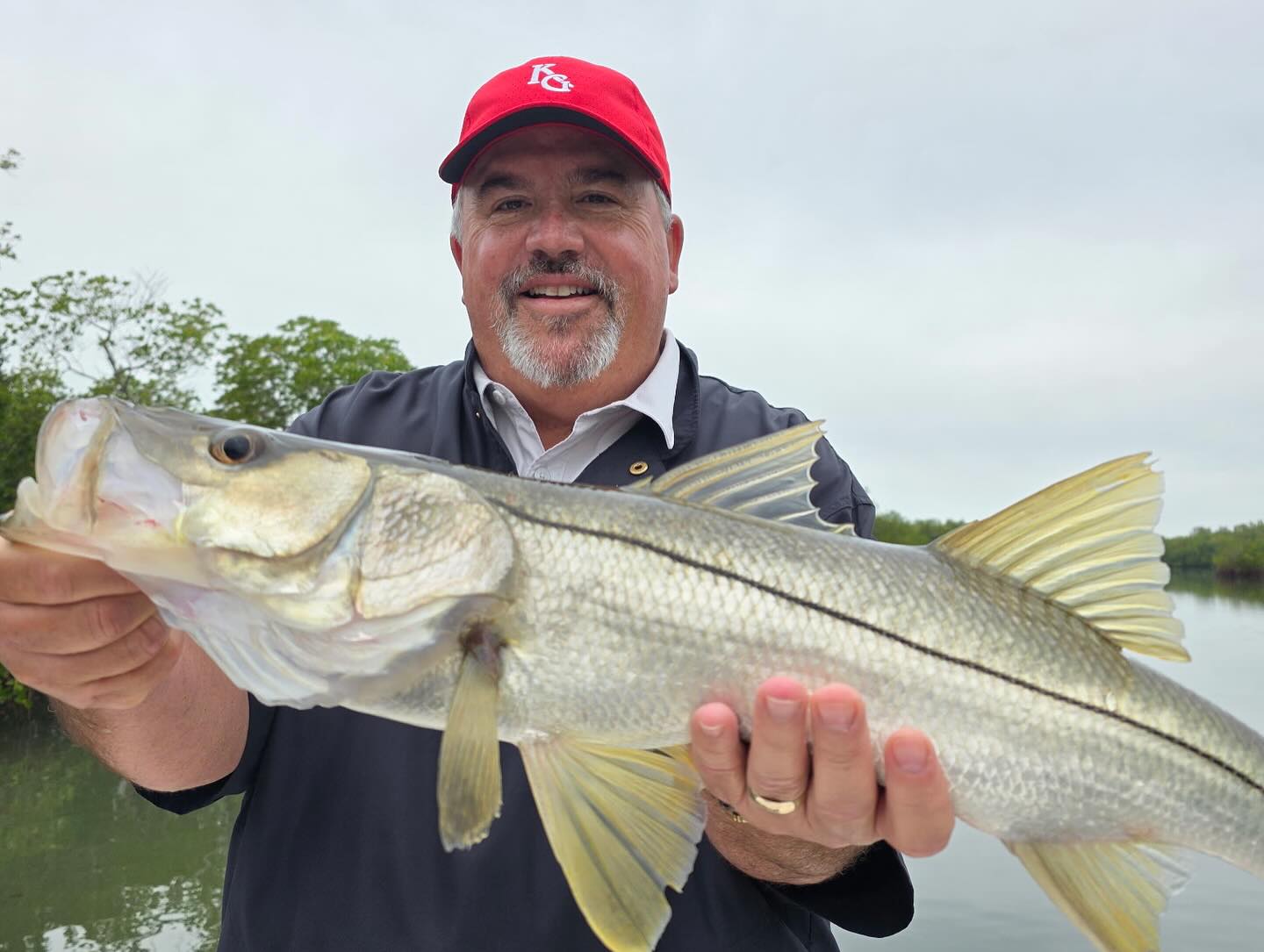
May fishing in Naples is an early-summer transition fishery driven by warming water, stronger bait movement, and the first dependable push of large migratory tarpon. This guide solves target selection, trip timing, and tactical planning for anglers fishing Naples, Marco Island, the Ten Thousand Islands, and nearby Gulf structure. Expect high action potential for snook, trout, jacks, snapper, and mackerel, steady redfish opportunities, and more technical tarpon fishing that rewards experienced anglers and disciplined boat positioning.
May Fishing Conditions in Naples
May expands the fishery because baitfish, tides, and warming water align across inshore, backcountry, nearshore, and pass systems. The main planning factors are water temperature, tide stage, bait concentration, wind, and harvest regulations.
| Variable | May Pattern | Fishing Impact | Best Adjustment |
|---|---|---|---|
| Water temperature | Commonly upper 70s into low 80s | Snook, tarpon, trout, and baitfish become more active, especially early and late | Prioritize dawn, moving tides, and shaded structure once midday heat builds |
| Tide movement | Stronger tide flow around passes, creek mouths, cuts, and mangrove edges | Predators hold where current delivers bait within easy range | Fish current seams, ambush corners, oyster edges, and pass lanes instead of static water |
| Bait presence | Pilchards, threadfin herring, mullet, shrimp, crabs, and glass minnows become more visible | Predators travel farther and feed longer when bait remains concentrated | Follow bait before following old spots; no bait usually means low return |
| Wind and weather | Mornings often fish cleaner; afternoon wind and storms become more likely | Wind can limit beach and nearshore tarpon plans but still leave backcountry options | Use protected shorelines, rivers, creeks, and the Ten Thousand Islands when Gulf conditions deteriorate |
| Regulations | May brings seasonal harvest limits for some regulated species | Snook and tarpon require release-focused handling during much of this period | Confirm current Florida rules before harvest, keep tarpon over 40 inches in the water, and handle snook quickly |
The operational decision is direct: fish inshore and backcountry water when wind or heat limits open water, and move toward passes, beaches, and nearshore structure when bait and Gulf conditions line up. This is the same seasonal planning covered in the SW Florida fishing calendar, with May acting as the bridge between spring variety and full summer power fishing.
- Primary inshore targets: snook, redfish, spotted seatrout, mangrove snapper, jacks, and juvenile tarpon.
- Primary big-fish targets: migratory tarpon, larger snook, sharks, permit, and cobia when conditions allow.
- Primary trip styles: inshore, backcountry, tarpon, nearshore, offshore, fly fishing, and night fishing.
- Primary risk: fishing too late in the day without accounting for heat, wind, and storm development.
May Fishing Tactics by Target and Water Type
May rewards anglers who match the presentation to water movement and fish behavior. These four approaches cover the highest-percentage patterns around Naples during the month.
Tarpon Pass and Beach Lane Control
May is when tarpon fishing becomes a major part of the Naples program, especially near passes, beach travel lanes, and outer backcountry edges. The best results come from quiet positioning, controlled drift angles, and understanding how rolling fish move through Naples tarpon fishing water without running over them.
- Target pass edges, deeper troughs, and beach lanes in roughly 6 to 40 feet depending on tide and fish movement.
- Use live crabs, threadfin herring, pilchards, or large shrimp when fish are feeding naturally along tide lines.
- Keep the boat outside the travel lane and cast ahead of moving fish, not directly onto their backs.
- Use heavy enough tackle to shorten the fight, and keep tarpon over 40 inches in the water during handling.
Snook Current-Seam Fishing
Snook feed aggressively in May because warm water and strong bait movement put them into passes, dock lines, mangrove edges, and creek mouths. Dedicated Naples snook fishing charters should focus on moving water and cover discipline rather than random shoreline casting.
- Fish current seams around docks, mangroves, points, and pass edges during incoming or outgoing tide movement.
- Use live pilchards, threadfin herring, shrimp, paddletails, or topwater plugs during low-light windows.
- Step up to 30 to 50 pound leader around barnacles, dock pilings, mangrove roots, and rock.
- Expect release-focused snook fishing in May and minimize air exposure on larger fish.
Redfish and Trout on Flats Transitions
Redfish and trout remain productive in May when anglers target grass, potholes, oyster edges, and mangrove points with steady tide movement. This is a core Naples inshore fishing pattern because it works in protected water when wind limits beach or nearshore options.
- Target 1 to 4 feet of water where grass breaks into sand, oyster, mud, or mangrove shoreline.
- Use shrimp under a popping cork, paddletails, twitch baits, cut bait, or small live baitfish.
- Fish trout with controlled drifts across potholes; fish redfish tighter to edges, corners, and flooded cover.
- Shift deeper during bright midday heat, then return shallow when clouds, tide, or low light improves feeding.
Nearshore Bait and Structure Fishing
Nearshore fishing improves in May when bait collects on hard bottom, reefs, wrecks, markers, and beach edges. A structured Naples nearshore fishing charter can produce Spanish mackerel, mangrove snapper, permit, cobia, sharks, and other fast-moving species without requiring a long offshore run.
- Fish structure, bait schools, and edges in roughly 15 to 50 feet when Gulf conditions allow safe and clean presentations.
- Use spoons, jigs, live baitfish, shrimp, and cut bait depending on whether fish are feeding high or tight to bottom.
- Keep a crab or shrimp ready when tripletail, permit, or cobia appear around markers, debris, buoys, or rays.
- Use wire or heavy fluorocarbon when mackerel, sharks, or toothy bycatch begin cutting leaders.
May Fishing FAQs for Naples
These questions determine target selection, trip timing, gear selection, and realistic expectations for May fishing around Naples.
What fish are best to target in Naples in May?
The best May targets in Naples are tarpon, snook, redfish, spotted seatrout, mangrove snapper, Spanish mackerel, jacks, sharks, and permit when conditions allow. Inshore trips produce the most consistent action, while tarpon and nearshore trips offer larger fish with more condition-dependent results.
Is May tarpon season in Naples?
May is the beginning of dependable tarpon season in Naples, especially near passes, beaches, outer backcountry edges, and the Ten Thousand Islands. Early May can be inconsistent, but late May often brings more visible rolling fish, stronger bait movement, and better chances at large migratory tarpon.
Is May better for inshore or nearshore fishing in Naples?
May is strong for both, but inshore fishing provides the safest consistency because protected water holds snook, redfish, trout, snapper, and jacks even when wind increases. Nearshore fishing becomes the better choice when the Gulf is calm, bait is visible, and structure fish are actively feeding.
What time of day is best for May fishing in Naples?
Dawn through late morning is usually the best May window because water is cooler, wind is lighter, and predators feed around low light and tide movement. Afternoon trips can still produce, but they require shade, deeper edges, moving water, and awareness of heat and storm development.
Plan a May Naples Fishing Charter
May trips should be matched to tide timing, target species, weather, and angler skill level. Chasin’ Tales Fishing Charters offers trip formats suited to the full May fishery, including Naples inshore fishing charters, Naples tarpon fishing charters, nearshore fishing charters, offshore fishing charters, and fly fishing charters.
Anglers who want a backcountry-heavy May trip should consider the 10,000 Islands fishing guides option when tarpon, snook, redfish, and protected-water fishing are the priority. Review current charter rates, confirm trip details through the FAQ page, and reserve dates through online reservations or the contact page with your target species, preferred dates, and group size.
