
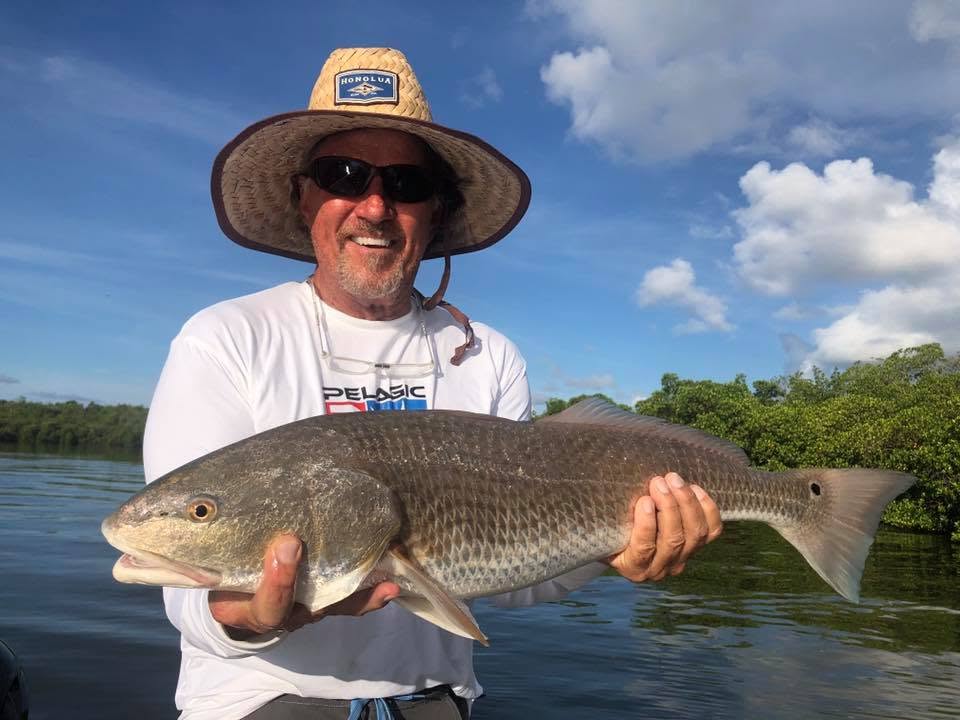
November fishing in Naples brings together fall redfish, backcountry snook, spotted seatrout, and an increasing focus on cool-weather targets such as sheepshead. Outside the passes, Spanish mackerel, snapper, and opportunities for tripletail add variety when Gulf conditions cooperate.
The biggest difference from summer is how we plan the day. An early departure can still work well, but after a cold front, a warming afternoon and a favorable tide may offer better fishing than the first hour after sunrise. Water temperature, wind, bait, and actual water levels help determine where we start and how we adjust.
At Chasin’ Tales Fishing Charters, we build our Naples inshore fishing charters around those conditions and the people aboard. Whether you are introducing your children to saltwater fishing or looking for a technical light-tackle trip, November offers several ways to approach the water.
What Changes Around Naples in November?
The transition that begins with October fishing in Naples becomes more noticeable as cooler nights and passing fronts influence the bays, beaches, and backcountry. Warm stretches can keep fish feeding along shallow shorelines, while a sharper temperature drop can move them toward nearby channels, deeper creek bends, and protected structure.
November is not consistently cold, and it does not produce the same conditions every week. The National Weather Service identifies November as the period when cooler weather becomes more consistent across Southwest Florida. For fishing, the important detail is how quickly conditions change, not simply what month appears on the calendar.
| Condition | What It Can Mean | Fishing Adjustment |
|---|---|---|
| Stable, warm weather | Fish may continue feeding along shallow shorelines, oyster edges, and flats. | Follow moving water and bait rather than assuming every fish has moved into deeper winter habitat. |
| A passing cold front | Changing wind, cooling water, and rougher Gulf conditions can disrupt established patterns. | Reassess the fishing area, look for protected water, and slow presentations when fish are reluctant to chase. |
| Lower-than-predicted water | Wind can change water levels and limit access to shallow feeding areas. | Work nearby troughs, drains, and channel edges while allowing extra room around shallow bars. |
| Sunshine after a cool night | Protected shallows may become more productive as the water warms. | Consider a later feeding window instead of treating first light as the only opportunity. |
| A calm Gulf forecast | Nearshore bait schools, reefs, and floating structure become practical options. | Consider mackerel, snapper, and sight-fishing opportunities outside the passes. |
A useful November plan includes more than one habitat. A shallow shoreline, the drain beside it, and the deeper channel beyond it may all matter at different points in the same trip.
November Inshore Fishing Targets
Redfish Around Oyster Edges, Mangroves, and Drains
Redfish remain a worthwhile November target around mangrove shorelines, oyster bars, shallow depressions, and creek mouths. The key is finding water that gives them access to food without requiring them to stay exposed on an empty flat.
Higher water can allow redfish to move beneath mangrove edges and across shallow bars. As the tide falls, nearby cuts and drains become more important. When a front leaves less water in the backcountry, the first usable depth change may hold fish that were feeding farther up the shoreline during the previous tide.
Live shrimp, small baitfish, and cut bait are useful when working a defined area. Weedless soft plastics, shrimp imitations, and carefully presented flies offer options for anglers who prefer casting. In clear, shallow water, we prioritize a quiet approach and a bait placed ahead of the fish rather than directly on top of it.
For anglers interested in exploring mangrove islands and tidal creeks, fishing the Ten Thousand Islands provides additional backcountry opportunities suited to this seasonal transition.
Snook Moving Toward Protected Backcountry Water
November snook fishing often involves looking farther inside the estuary than we would during the summer beach pattern. Docks, mangrove points, creek mouths, river bends, and deeper water near cover all deserve attention as temperatures fluctuate.
Warm weather can keep snook feeding aggressively, especially where current brings bait past structure. Following a stronger front, we may need to fish more slowly, work closer to cover, or wait for a warmer part of the day. Live shrimp, baitfish, and soft plastics can all produce, but presentation matters more than repeatedly changing lures.
We use tackle strong enough to control fish around roots and pilings without extending the fight unnecessarily. A natural drift beside cover is often more useful than pulling a bait quickly across the fish’s holding area.
All snook are catch-and-release on our charters. That policy applies even when state harvest is open. November falls within the current fall harvest window for the Southwest management region, but our release policy remains the same. Anglers fishing independently should review the current regional snook regulations.
Spotted Seatrout Along Grass Edges and Deeper Pockets
Spotted seatrout give us another option when we want to cover water and look for a concentration of feeding fish. Grass edges, sand pockets, troughs, and channels beside shallow feeding areas can all be productive.
After a temperature drop, the deeper portion of a flat may deserve attention before the shallowest section. As conditions improve, fish can spread back across nearby feeding areas. Rather than drifting an entire bay without a plan, we look for the combination of depth, bait, and bottom changes that makes one stretch stand out.
Live shrimp beneath a popping cork can be effective for newer anglers, while small jigs and soft plastics help experienced anglers search different depths. We adjust the presentation to keep the bait near the fish without continually dragging through grass or shell.
Sheepshead Around Pilings, Oyster Bars, and Hard Structure
Sheepshead begin earning more attention as the water cools. Docks, seawalls, oyster bars, and other hard structure provide feeding areas for these crustacean-eating fish. November can offer opportunities, although the larger late-winter and early-spring spawning concentrations are still ahead.
Small shrimp and fiddler crabs are useful baits when available. The presentation should stay close to the structure with enough weight to control depth, but not so much that the bait becomes difficult to place naturally.
Sheepshead bites can be subtle. We help anglers recognize the difference between bottom contact and a fish taking the bait, then adjust the rig or position as needed. Black drum and mangrove snapper may add variety around some of the same structure.
These opportunities become an increasingly important part of winter fishing in Naples as the season progresses.
November Nearshore Fishing Off Naples
When wind and sea conditions allow, nearshore fishing off Naples adds a different set of possibilities. Instead of working mangrove shorelines and creeks, we can investigate bait schools, natural hard bottom, reefs, and structure within sight of the coast.
The decision to fish outside the passes depends on the marine forecast, not simply clear skies. A sunny day after a front can still bring uncomfortable or unsuitable Gulf conditions. Protected inshore water may provide an alternative, but every trip remains subject to safe weather.
Spanish Mackerel and Opportunities for Kingfish
Spanish mackerel are a natural fit for the fall nearshore picture. Their seasonal migration south along the Gulf coast makes November bait concentrations worth investigating.
Feeding birds, bait breaking the surface, and visible strikes can help narrow the search. Small spoons, jigs, and live baits offer different ways to reach actively feeding fish. Matching the size of the forage can matter more than using a larger lure.
Kingfish may also be available when water temperature, bait, and sea conditions line up. We treat them as a condition-dependent opportunity rather than a guaranteed November target.
Tripletail Around Floating Structure
Tripletail add a sight-fishing opportunity to a calm nearshore day. These fish have a strong association with floating objects such as buoys and channel markers, making crab-trap floats and similar structure worth watching while moving between areas.
A fish may appear as a dark shape beside a float or just below the surface. Once spotted, the approach becomes deliberate: give the fish space, position for a controlled cast, and present a live shrimp or suitable artificial without landing directly on it.
Not every float holds a fish, and visibility matters. Tripletail are a worthwhile opportunity when conditions allow us to look effectively, not a reason to promise a specific catch.
Snapper and Bottom Fishing
Mangrove snapper and other bottom species can provide another option around reefs, ledges, and hard bottom. Bait placement, current, and the amount of weight used all influence whether a presentation stays in the productive area.
We also offer Naples offshore fishing trips designed around nearby Gulf structure rather than lengthy runs far from shore. These trips can combine bottom fishing with opportunities around bait schools, depending on conditions and the species available.
November 2026 Gag Grouper Harvest Reminder
Gag grouper cannot be kept on November 2026 trips off Naples. The 2026 recreational season in Gulf state waters ran September 1 through September 30, and Gulf federal waters closed to recreational gag harvest on October 1.
Other grouper and snapper species have separate rules. Before planning a harvest-focused trip, review the current Florida grouper regulations and the 2026 federal gag grouper closure notice. We can discuss appropriate targets and legal harvest options when arranging your charter.
Choosing the Right November Fishing Trip
Inshore Fishing for Families and Mixed-Skill Groups
An inshore trip is a practical starting point for families, beginners, and groups that want variety. It gives us flexibility to move among shoreline fishing, deeper edges, and structure without making an exposed Gulf run the foundation of the day.
We tailor the instruction and fishing style to the group. Some anglers want to make their own casts and work artificial lures. Others prefer help with bait, tackle, and learning what a bite feels like. Both approaches fit a November charter.
Fly Fishing and Light-Tackle Sight Fishing
Settled weather and suitable water clarity can create opportunities for fly fishing in the Naples backcountry. Redfish and snook are appealing targets when we can see fish or identify a precise feeding lane.
Clear water also demands careful boat positioning and controlled presentations. Wind, glare, and water level influence how realistic the sight-fishing opportunities will be, so we discuss expectations before committing to that approach. We welcome beginners as well as experienced fly anglers.
Nearshore Fishing for a Different Mix of Species
A nearshore trip is worth considering when the group wants mackerel, snapper, and the possibility of other Gulf species. It is best planned with some flexibility because a front can change sea conditions even when the inshore forecast looks comfortable.
For a Thanksgiving-week visit, contact us while organizing your itinerary so we can discuss available dates, trip styles, and the best fit for your group. Our charter rates and booking details can help you compare the options.
What to Bring on a November Fishing Charter
Dress for a cool boat ride followed by a potentially warm afternoon. Layers are more useful than assuming the whole day will feel like the temperature at the dock.
- A lightweight jacket or windbreaker: Helpful during the ride and on breezy mornings.
- Polarized sunglasses, a hat, and sunscreen: Important for glare, visibility, and sun protection even when the air feels cool.
- Drinks and snacks: Bring what your group will need during the trip.
- Personal essentials: Include necessary medication and a water-resistant place for your phone or camera.
Our charters include fishing licenses, bait, tackle, fuel, and ice in the boat’s cooler. We confirm the meeting location when arranging your trip. Additional information about inclusions, pickup arrangements, and keeping your catch is available in our fishing charter FAQs.
November Fishing FAQs
Is November a good month to fish in Naples?
Yes. November offers opportunities for redfish, snook, spotted seatrout, sheepshead, and mangrove snapper, with mackerel and other nearshore species possible when Gulf conditions allow. The strongest plan accounts for recent weather rather than relying on one location or target every day.
Is morning or afternoon fishing better in November?
Either can be productive. Morning trips can work well during stable, warm weather. After a cold front, a later tide and warming water may create a better feeding window. We consider the temperature trend, wind, and tide together when discussing the trip.
Can you still fish after a cold front?
Sometimes, provided conditions are safe. The approach may shift toward protected water, deeper edges, and slower presentations. Strong wind or rough seas can require a change of plan or prevent a trip from running.
Can we keep the fish we catch?
Legal harvest depends on the species, season, size, and applicable limits. All snook are catch-and-release on our charters, and gag grouper harvest is closed in November 2026. Tell us when booking whether bringing home fish is a priority so we can explain suitable options and fish-cleaning arrangements.
Do we need to buy fishing licenses?
No. Fishing licenses are included for guests on our charters. You do not need to purchase a separate license for your trip with us.
Book a November Fishing Charter in Naples
November gives us several ways to build a day on the water. We may work backcountry shorelines for redfish and snook, concentrate on trout and structure-oriented fish after a front, or head outside the passes when calm conditions make nearshore fishing a good choice.
The goal is to match the trip to your group and the conditions, not force a summer routine onto a changing fall fishery. At Chasin’ Tales Fishing Charters, we help you choose an approach that fits your experience, interests, and time in Naples.
Plan your November trip with Captain Geoff Crouse and Chasin’ Tales Fishing Charters. Book your Naples fishing charter or call 239-216-0378 to discuss dates, target species, and the right trip for your group.
