

Southwest Florida’s lower Gulf Coast is all one fishery. You may launch in different towns, but once you’re on the water, it’s the same tides, the same bait, and the same fish moving through the same incredible system. The mangrove backcountry around Everglades City blends straight into the Ten Thousand Islands, those islands open toward Marco Island’s passes, and the same water continues north along the Naples shoreline and across the grass flats toward Fort Myers. You can change ramps, change counties, even change license plates in the parking lot, but once you’re on the water it’s all part of the same map.
Fish move based on conditions, not place names. When water cools, they slide into depth. When it warms, they spread back onto flats. Bait pushes through creeks, edges, and passes on the same tides whether you’re south of Marco or off Naples. Redfish that spend winter in a sheltered creek near Everglades City may spend part of the year feeding along open flats closer to Marco Island. Trout adjust the same way across the region, holding deeper in winter and roaming grass as the seasons turn.
This calendar breaks the year down the way fishermen actually experience it — watching water temperature, paying attention to wind and tides, and noticing when fish shift from one kind of water to another. Month by month, it follows how fish reposition across this tight stretch of coast, not as separate destinations, but as one fishery that changes shape as the year moves along.
January–February: Cold Front Season and Predictable Fish
Winter brings a kind of order to this coast. Repeated cold fronts knock the edge off the open Gulf first, while the backcountry holds onto warmth a little longer. That temperature difference pulls fish inward, tightening the whole system up and making patterns easier to read if you’re paying attention.
Redfish settle into protected water and stay there. Mangrove shorelines, creek mouths, oyster edges, and little indentations in the bank all come into play when you’re fishing Ten Thousand Islands, with especially reliable fishing around Everglades City, Chokoloskee, and Port of the Islands. On still, sunny afternoons, schools slide up onto shallow mud flats to soak up heat, sometimes tailing or pushing water before easing back into nearby cuts once the light fades or the temperature drops. Those short feeding windows are small, but they’re dependable.
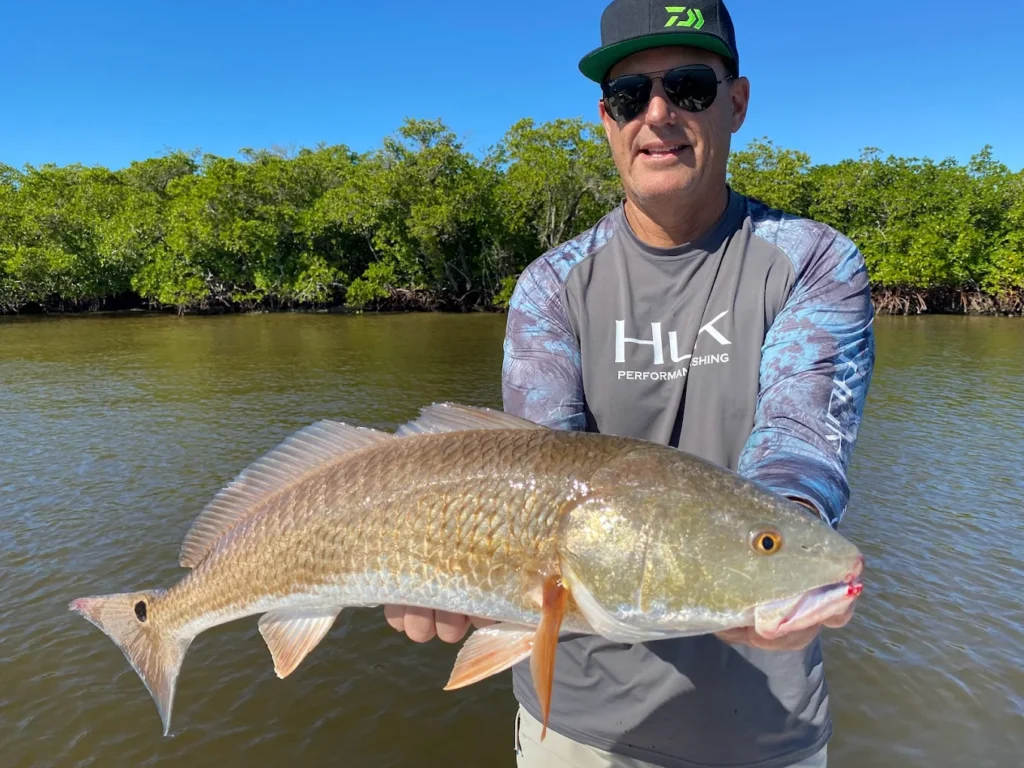
Spotted seatrout hold deeper than many people expect this time of year. Instead of roaming open grass, they settle into potholes, troughs, and channel edges near Marco Island and Naples, especially in areas tied into larger bay systems like Rookery Bay. The fish are there, but they’re deliberate. Slow presentations rule the winter months, with patience doing more work than constant casting.
Sheepshead show up everywhere there’s something solid to chew on. Bridge pilings, docks, rock piles, and pass structure all hold fish, from Marco Island north toward Fort Myers. Stronger tidal movement tends to concentrate them even more, and once you find one fish, you usually find a few more holding tight to the same piece of structure. Winter doesn’t scatter fish here — it stacks them — and that’s what makes this stretch of the calendar so consistent when conditions line up.
March: Warming Water and Expanding Range
March marks the shift. Water temperatures begin to stabilize, and fish spread out. Redfish stay shallow longer now, especially through the middle of the day. Instead of rushing on and off flats, they linger along creek mouths, island edges, and broad mud-and-sand flats where the sun can do its work. Across the Ten Thousand Islands, this is when sight-fishing really starts to shine. Clearer water, higher sun angles, and fish willing to roam make it easier to spot singles and small groups moving with purpose. Along the eastern edges of Marco Island’s backcountry, redfish cruise transition zones where mangroves give way to open flats, often following subtle depth changes that barely show on a chart.
Spotted seatrout begin changing their behavior as well. They’re still not fully committed to wide, shallow grass, but they start sliding up as the day warms. Afternoons are key. Grass flats off Naples that soak up sunlight become reliable producers, especially those bordering deeper troughs or bays where trout can drop back if conditions shift. Early spring bait movement starts to show here—small schools moving across the flats, flickering just under the surface—and trout respond quickly when food becomes predictable again.

Nearshore, March brings the first real hint of pelagic life returning to the beach zone. Spanish mackerel can make sporadic but exciting appearances when you’re on fishing charters in Marco Island and Naples, when bait schools push tight to the sand. These aren’t guaranteed every day, but when conditions line up you can run into fast action within sight of shore. The Gulf side of this system is waking up too, not just the backcountry.
Bottom structure inside a few miles of shore starts holding fish more consistently, and short offshore runs make sense when wind and swell cooperate. This is a good window for mixing bottom fishing with surface activity, working structure and then keeping an eye out for bait schools moving between spots.
April–May: Transition Season and Peak Variety
This is one of the most versatile windows of the year. Snook begin setting up around moving water. Passes, deeper creeks, and well-defined tidal cuts all start producing, especially around Marco Island’s passes and the bay connections feeding into Naples.
Throughout the Ten Thousand Islands, snook hold along creek mouths and bends where current pushes bait past predictable ambush points. As the weeks go on, these fish become easier to pattern, showing up in the same stretches of water on the same stages of the tide.
Redfish remain a steady presence in the backcountry, but they’re no longer glued to tight mangrove cover. Many start pushing toward more open flats, points, and island edges, especially in areas that give them quick access to deeper water. This is when you start running into mixed schools and unexpected combinations. A redfish tailing along a flat might be sharing the area with trout, jacks cruising the edges, or ladyfish cutting through on moving water. It’s common to work a single shoreline or flat and catch several different species without changing locations.
From April into early summer, Goliath grouper activity increases on heavier offshore structure off Naples. These fish are present year-round, but warmer water brings more aggressive behavior, especially around wrecks and ledges inside ten miles. Even when they aren’t the primary target, they’re often part of the picture, showing up unexpectedly and changing the pace of a trip in a hurry.
Late May brings the first real sign of summer migration. Tarpon scouts begin showing themselves offshore and near passes, especially south of Marco Island and along the outer edges of the Ten Thousand Islands. These early fish aren’t always thick, but their appearance signals that the system is shifting again. When tarpon start rolling outside the passes and along deeper edges, it’s a clear marker that the season is turning and the coast is about to take on a different pace.
June–July: Summer Patterns and Tarpon Movement
Early summer is defined by heat, bait, and timing. Tarpon migrate along the beaches and stage near passes from Naples down past Marco Island. Early morning and late afternoon become the prime windows, especially on calm days with clean water.
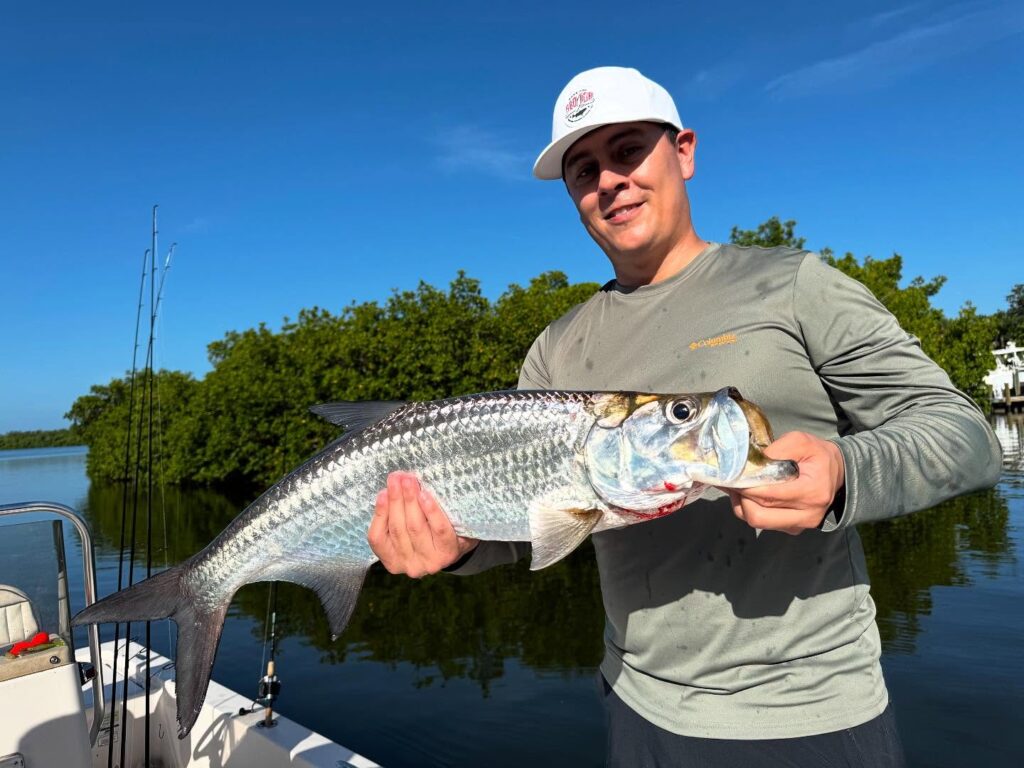 Snook hold tight to structure and shade. Docks, mangrove points, and deeper cuts throughout the region produce best around moving water.
Redfish push deeper into the backcountry during mid-day heat, holding in deeper creeks and shaded mangrove edges around Everglades City and the inner islands.
Late spring into summer is when offshore trips out of Naples start producing variety. Bottom spots can give up grouper and snapper, while the water between them holds pelagic fish when bait pushes up in the column. Spanish mackerel and kingfish move through during this stretch, and it’s common to switch from bottom fishing to surface action without running far.
August–September: Heat, Storms, and Backcountry Focus
Late summer brings afternoon storms and high water temperatures.
Fishing shifts toward early starts and protected water. The Ten Thousand Islands shine during this stretch, with redfish and snook holding in creeks, bays, and interior shorelines that flush clean after rain.
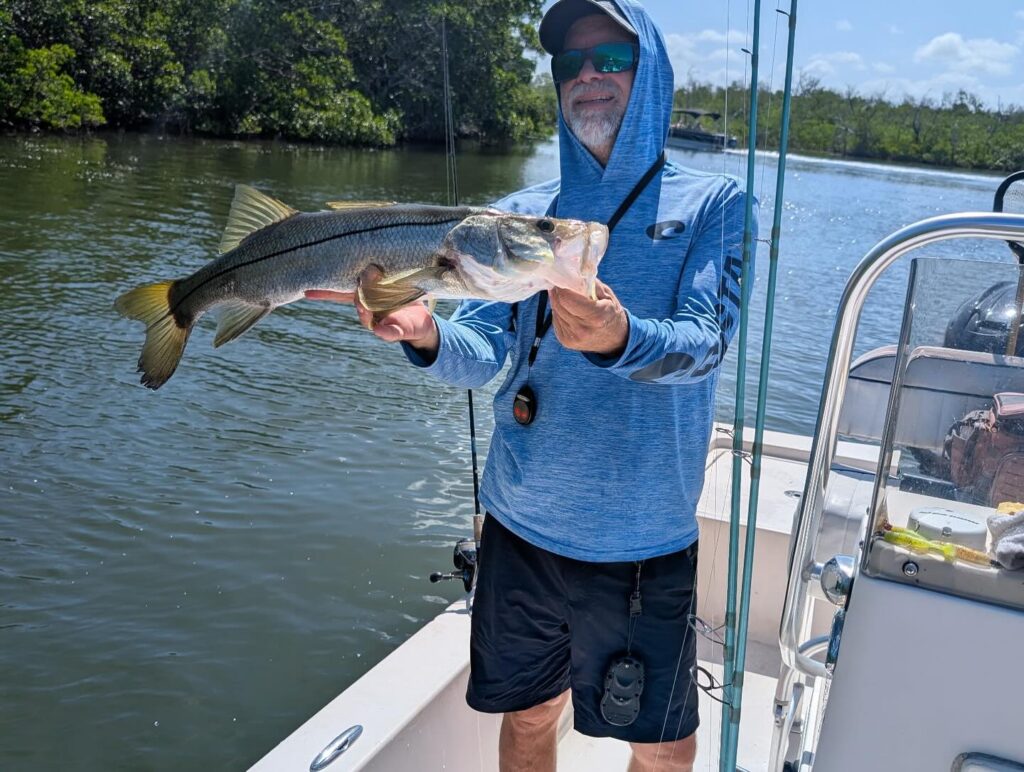
Naples and Marco Island backwaters continue producing mixed species, while nearshore Gulf trips become more weather-dependent.
During the hottest part of the year, offshore fishing off Naples becomes more about picking the right windows. Early starts and calm mornings make nearshore structure productive, and staying closer to shore keeps runs short when afternoon weather builds. Grouper remain available, and pelagic action can be fast when bait stacks up tight to the beach.
October: Cooling Water and Reset Patterns
October is a reset button.
As water temperatures drop, fish reposition quickly. Redfish spread back onto flats, trout return to predictable grass edges, and snook remain active ahead of winter cooling.
This is one of the best months for variety across the entire region, from Everglades City through Marco Island and north toward Fort Myers.
As water temperatures begin easing down, offshore bottom fishing off Naples stays consistent. Fish remain on structure, and changing conditions often concentrate them more tightly. This is a solid stretch for working known bottom spots efficiently, with fewer long runs and more time spent fishing.
November–December: Winter Setup Begins Again
The water hasn’t turned cold yet, but the steady warmth of summer is gone, and fish begin settling into more predictable routines. Conditions tend to be stable between fronts, and that consistency makes this a reliable stretch for anyone willing to pay attention to where fish start repositioning.
Redfish begin grouping again across the backcountry. Instead of being scattered across wide areas, they show up in more defined schools along mangrove shorelines, creek mouths, and interior bays throughout the Ten Thousand Islands and around Everglades City. These fish aren’t pushed tight yet, but they’re no longer roaming randomly. Once you locate one school, it’s common to find others set up in similar water nearby.
Spotted seatrout shift back toward depth as the days shorten. They hold tighter to troughs, channel edges, and deeper grass lines near Marco Island and Naples, especially in areas with clean water and steady tidal movement. The fish are there in good numbers, but they’re less forgiving of sloppy presentations, favoring slower, more deliberate approaches.
Sheepshead begin piling back onto structure as well. Docks, pilings, bridges, and pass edges start holding fish again from Marco Island north toward Fort Myers. Each passing week brings more of them, and by December they’re firmly back in their winter haunts, especially where current moves consistently.

Winter offshore fishing trips out of Naples depend heavily on weather, but when seas lay down, nearshore structure can still produce. Bottom fishing remains viable inside short distances, and pelagic species like Spanish mackerel show up when bait pushes close to shore.
By the time December settles in, the system has mostly come full circle. Fish are no longer spread thin across the coast. They’re setting up where they’ll spend the colder months. The cycle resets, and the system begins moving back into its winter pattern for the new year.
One Fishery, Many Launch Points
Everglades City, the Ten Thousand Islands, Marco Island, Naples, and Fort Myers are all access points to the same great water. What changes is how far you run, how protected the conditions are, and how the season shapes fish behavior.
If you understand how the SW Florida fishing seasons moves across this stretch of coast, you can fish it effectively no matter where you launch from.
The nice thing about fishing this coast is there’s always something going on, no matter the month. Inshore, nearshore, and offshore trips all have their place depending on the season, the weather, and what you want out of the day. Some groups want steady action and variety, others want one big pull that bends the rod hard, and plenty want a mix of both.
If your crew has different priorities, that’s easy to work around. One longer trip can blend things together — maybe starting nearshore with mackerel or kingfish when bait is moving, then sliding back inside to hunt redfish or trout once the tide lines up. That flexibility is what makes fishing here work year-round. Pick a window that fits your schedule, talk through what you’re hoping to catch, and build the day around the conditions instead of forcing a single plan.
Compare the inshore, nearshore, and offshore fishing trips, then lock in your date on the Reservations page. You can also call the captain directly at 239‑216‑0378.
